Need a weekly dose of sanity and support for raising your highly sensitive child?
A Cuppa Momsense keeps it real with expert tips, humor, and support to help you navigate raising sensitive kiddos—no judgment, just the sanity-saving advice you need.
Hi, I'm Jill!
I’m a mama-in-training of a highly sensitive son. I love yoga pants, dungeness crab season, and working from my San Francisco flat in my PJs. My mission? To help other mamas raise a thriving highly sensitive child without losing their ever-lovin’ minds!
Heavy Work: A Practical Regulation Tool for Highly Sensitive Children
Published by
on
January 7, 2026
Jill Gilbert
When you’re raising a highly sensitive child, it becomes clear pretty quickly that emotional regulation isn’t just about emotions. You can talk through feelings, name what’s happening, and offer reassurance—yet still find that your child melts down over something small, shuts down unexpectedly, or seems constantly on edge. That’s often the moment parents start wondering whether something deeper is going on.
For many highly sensitive children, the missing piece isn’t more emotional coaching. It’s physical regulation. Heavy work is a body-based support that helps regulate the nervous system through movement and resistance. It’s widely used by occupational therapists, but it doesn’t require therapy sessions, special equipment, or adding new tasks to your already full plate. In fact, most families are already doing forms of heavy work every day without realizing its impact.
Heavy work refers to activities that engage the muscles and joints through resistance. These movements include pushing, pulling, lifting, carrying, squeezing, or leaning into something with effort. The purpose of heavy work is not physical conditioning or exercise, but sensory input—specifically input that helps the nervous system understand where the body is and how it is moving.
This type of input is known as proprioceptive input. Proprioception is the sensory system that gives us information about body position, movement, and force. When this system receives consistent, steady input, it tends to have a calming and organizing effect on the nervous system.
For children who are highly sensitive, this matters because their systems often take in more information than they can easily process. Heavy work helps provide clear, grounding feedback to the body, which can make everything else feel more manageable.
It’s important to note that heavy work is not a response to misbehavior, nor is it meant to “fix” emotional reactions. It works best when used proactively and consistently as part of a child’s daily routine.
Why Heavy Work Supports Highly Sensitive Children
Highly sensitive children tend to experience the world more intensely. Their nervous systems are often more reactive, meaning they respond quickly to sensory input, emotional stress, and environmental demands. While this sensitivity comes with strengths—such as empathy, creativity, and deep thinking—it also means these children can become overwhelmed more easily.
When a nervous system is under constant strain, emotional regulation becomes harder. The child may appear reactive, anxious, rigid, or easily dysregulated, even when parents are providing emotional support and structure.
Heavy work helps because it addresses regulation at the body level. By engaging large muscle groups and joints, it provides feedback that helps the nervous system settle. Many parents notice that when heavy work is part of their child’s day, their child appears calmer, more flexible, and better able to handle transitions and frustration.
This doesn’t mean heavy work eliminates emotional challenges. Instead, it helps lower the overall stress load on the nervous system, making emotional regulation more accessible over time.
The Sensory Systems Involved
Heavy work primarily supports the proprioceptive system, which plays a major role in regulation. This system helps the brain understand where the body is in space and how it is moving. When proprioceptive input is consistent and predictable, it sends signals of safety and organization to the nervous system.
For many highly sensitive children, proprioceptive input helps reduce sensory overload and improves body awareness. It can support attention, impulse control, and emotional steadiness.
Heavy work can also indirectly support the vestibular system, which is responsible for balance and movement. While heavy work is not the same as spinning or swinging, it often involves whole-body movement that helps children feel more grounded and coordinated.
Together, these systems help create a sense of physical stability, which supports emotional stability as well.
Heavy Work and Emotional Regulation
Emotional regulation is closely tied to physical regulation. When a child’s body is tense, overstimulated, or disorganized, emotions tend to escalate more quickly and feel harder to manage. This is why highly sensitive children can appear emotionally reactive even when they understand expectations and coping strategies.
Heavy work supports emotional regulation by reducing physical tension and helping the body release built-up stress. It can help lower baseline stress levels, which increases a child’s ability to tolerate frustration, change, and sensory input.
This is why heavy work is most effective when used preventatively. When a child receives regular proprioceptive input throughout the day, their nervous system is less likely to reach a breaking point. While heavy work can still be helpful after a child becomes dysregulated, it works best when it is part of the daily rhythm rather than an emergency response.
What Heavy Work Looks Like in Everyday Life
One of the most reassuring things about heavy work is that it doesn’t need to look clinical or structured. Many everyday activities already provide exactly the type of input highly sensitive children benefit from.
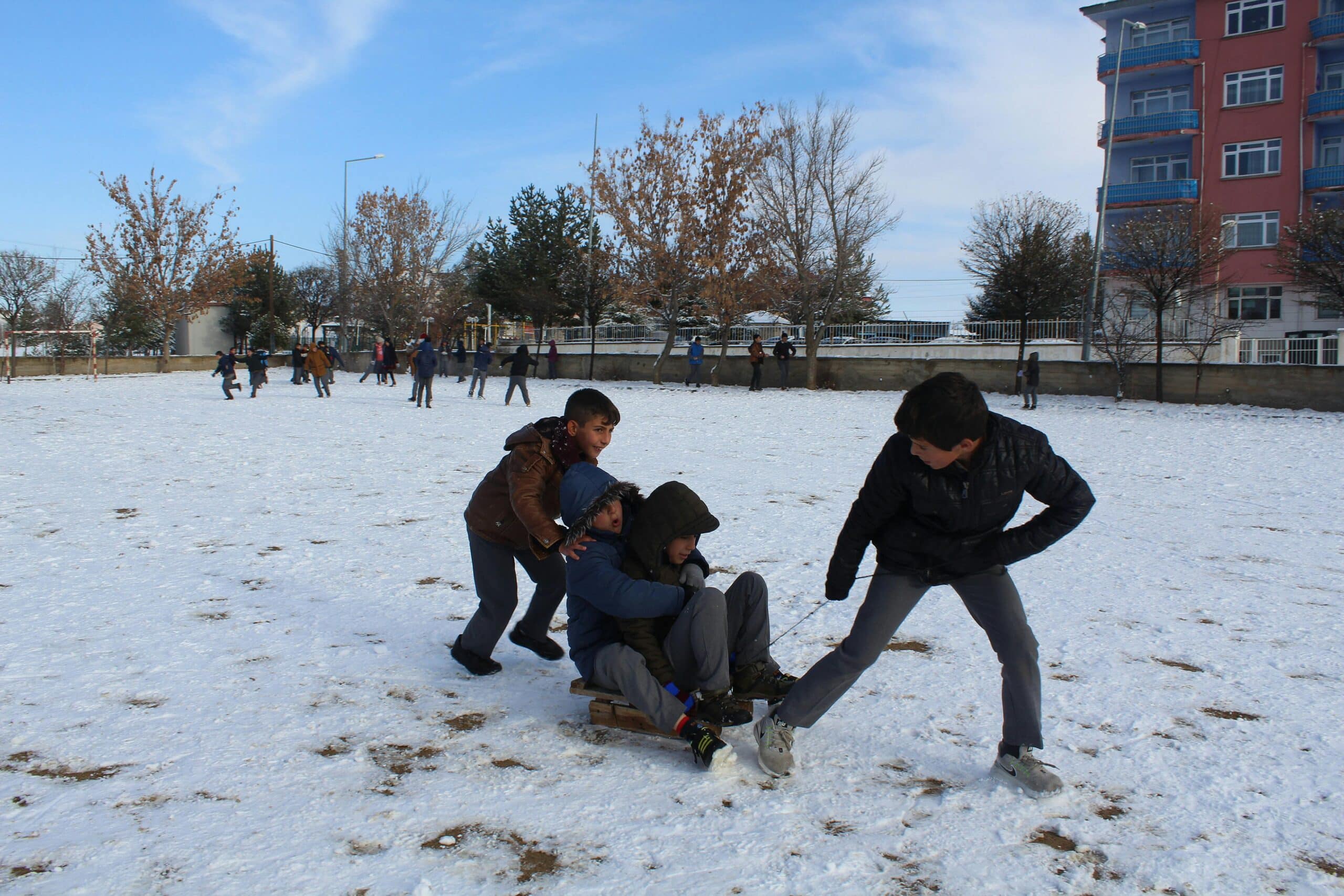
Carrying groceries, pushing a laundry basket, pulling a wagon, helping move household items, digging in the garden, wiping down surfaces with pressure, or carrying books from room to room are all examples of heavy work. These activities engage large muscle groups and joints in a natural, functional way.
Because these tasks already exist in daily life, heavy work doesn’t have to feel like an additional responsibility. It simply becomes part of how a child participates in the household and moves through their day.
How to Use Heavy Work Throughout the Day
Heavy work is most effective when it is woven into routines rather than treated as a separate activity. Small amounts spread throughout the day tend to be more beneficial than one longer session.
In the morning, heavy work can help prepare a child’s nervous system for the demands of the day. Carrying a backpack, helping bring items downstairs, or doing a few wall push-ups before leaving can provide grounding input before school or activities.
After school, heavy work can help a child decompress from a long day of sensory input. Carrying belongings from the car, helping unload groceries, or pushing a stroller or wagon can help release built-up tension.
In the evening, heavy work can be incorporated into household routines such as laundry, cleanup, or setting up for the next day. These activities support regulation while also fostering a sense of contribution and capability.
Before bed, gentle heavy work can help the body settle for sleep. Carrying books to the bedroom, helping arrange pillows or blankets, or doing slow, controlled movements can support a smoother transition to rest.
The goal is consistency and predictability, not intensity. Over time, these small moments of input can make a noticeable difference in how a child feels and functions.
When Heavy Work Is Most Effective
Heavy work tends to be especially helpful before transitions, before or after school, following overstimulating environments, and during periods of growth or increased stress. Many parents notice that when heavy work is used regularly during these times, emotional reactions feel less intense and recovery is faster.
There may be moments when heavy work alone is not enough, particularly if a child is overtired, hungry, or emotionally overwhelmed. In those situations, it works best when combined with rest, connection, and emotional support rather than used as a standalone solution.
Frequently Asked Questions
How often should my child do heavy work? There is no universal rule. Many highly sensitive children benefit from small amounts of heavy work several times a day, especially around transitions. Observing your child’s responses can help guide how often it’s needed.
Can heavy work help with meltdowns or anxiety? Heavy work is most effective as a preventative support. By lowering overall nervous system stress, it can reduce the frequency and intensity of meltdowns and help children manage anxiety more effectively. It may also support quicker recovery after a child becomes dysregulated.
Conclusion
Heavy work is a practical, accessible way to support a highly sensitive child’s nervous system through the body. By providing grounding, organizing input, it helps create a foundation for emotional regulation and resilience. The most effective heavy work does not require special tools or elaborate planning; it often fits naturally into everyday routines. When parents understand how and why it works, they can use it intentionally without adding pressure or complexity. This approach is not about changing a child’s behavior, but about supporting their needs more fully. Over time, these small, consistent supports can make daily life feel more manageable for both parent and child.
fREE DOWNLOAD
Magic Scripts for Raising a Highly Sensitive Child
Transform challenging moments before they escalate with the Magic Scripts guide - your handbook for preventing meltdowns through the power of clear, calm communication.