Need a weekly dose of sanity and support for raising your highly sensitive child?
A Cuppa Momsense keeps it real with expert tips, humor, and support to help you navigate raising sensitive kiddos—no judgment, just the sanity-saving advice you need.
Hi, I'm Jill!
I’m a mama-in-training of a highly sensitive son. I love yoga pants, dungeness crab season, and working from my San Francisco flat in my PJs. My mission? To help other mamas raise a thriving highly sensitive child without losing their ever-lovin’ minds!
Why Home Organization Matters for Highly Sensitive Children
Published by
on
January 15, 2026
Jill Gilbert
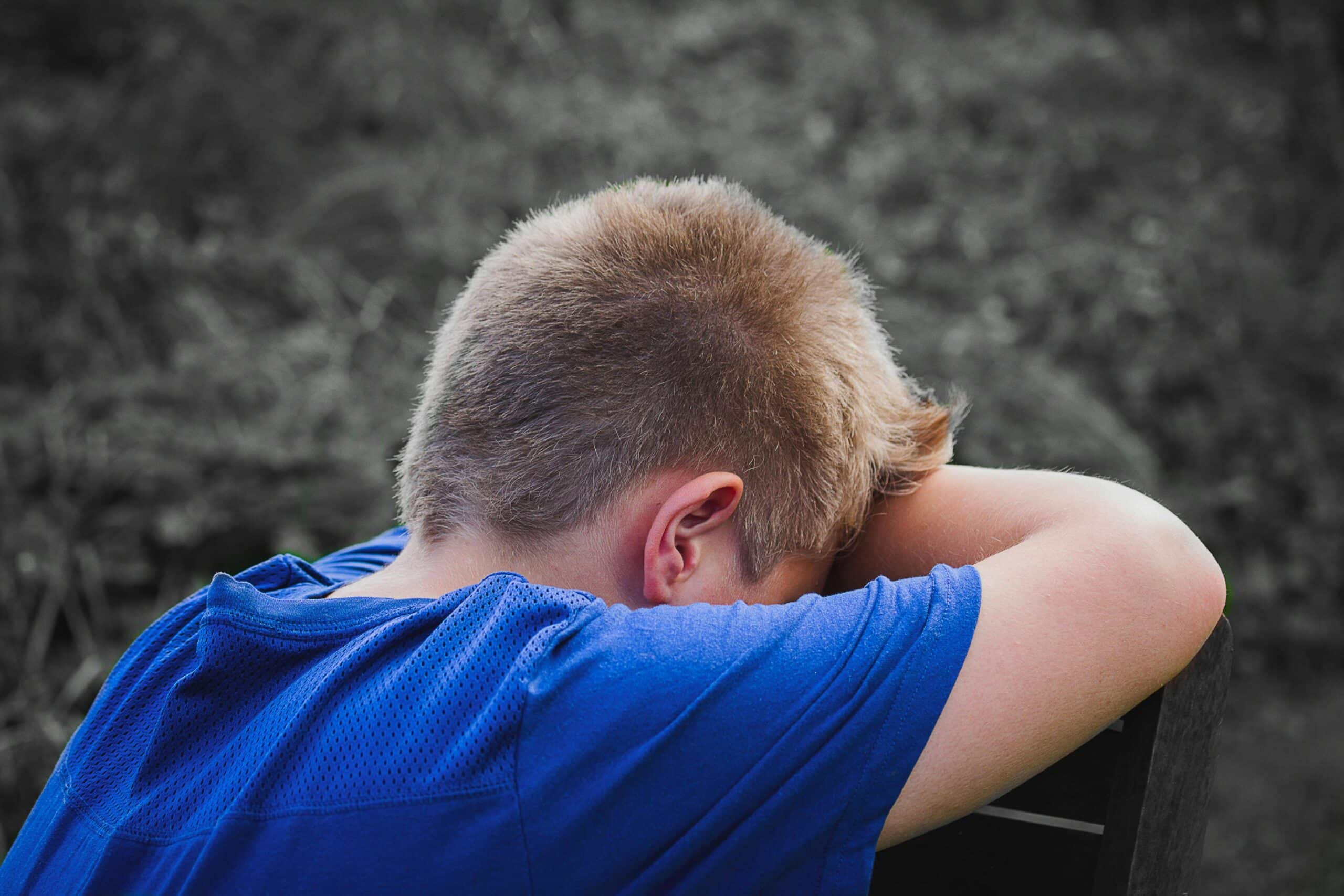
If your highly sensitive child seems overwhelmed the moment they walk through the door, you’re not imagining it. Some days, nothing dramatic happens—no big conflict, no obvious trigger—and yet emotions spill out fast and hard. It can leave you wondering why home, of all places, doesn’t always feel calming.
One often-overlooked piece of the puzzle is the environment itself. For highly sensitive children, the visual and sensory tone of a space matters more than we tend to realize. A cluttered or chaotic home doesn’t just look messy to them—it can feel loud, demanding, and emotionally draining.
This isn’t about having a perfectly organized house or turning your home into a minimalist showcase. It’s about understanding how visual clutter affects a sensitive nervous system, and how creating a bit more order can quietly support regulation. Think of it as setting the stage so your child’s system doesn’t have to work quite so hard just to feel okay.
How a Disorganized Living Space Impacts Highly Sensitive Children
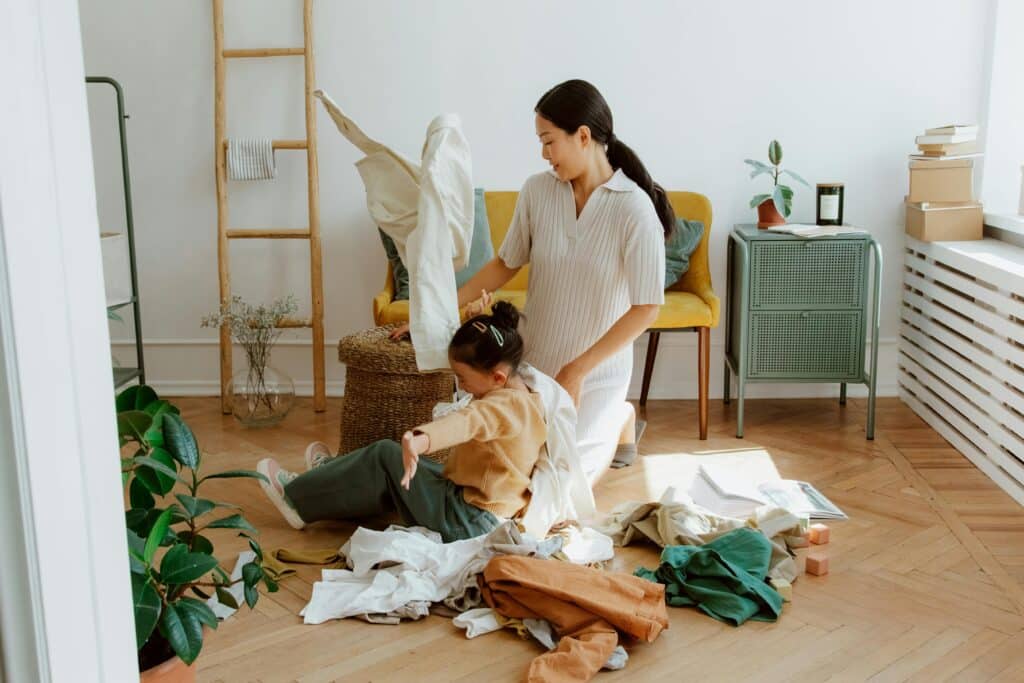
For highly sensitive children, a disorganized home isn’t just inconvenient or messy—it can be actively dysregulating. Visual clutter creates constant sensory input, even when nothing is happening. Piles of toys, stacks of paper, crowded shelves, and surfaces covered with “in-progress” items all compete for attention in the background.
A highly sensitive nervous system doesn’t filter that out easily. Instead, it keeps scanning. The brain is trying to make sense of what’s unfinished, what might be needed, what could be touched, moved, or dealt with next. Over time, that ongoing visual stimulation can increase irritability, mental fatigue, and emotional reactivity.
This is one reason some highly sensitive kids seem overwhelmed the moment they get home. After a full day of managing school expectations, social dynamics, and sensory input, walking into visual chaos can push an already-full nervous system over the edge. The home environment becomes one more thing their body has to manage instead of a place where it can recover.
Disorganization can also increase friction during everyday moments. When items don’t have a clear place, children are required to make more decisions: where something goes, how to clean up, what to do next. For sensitive kids, those small decisions add up quickly and can trigger resistance, shutdown, or emotional outbursts that look disproportionate but are rooted in overload.
Why Order and Organization Are Regulating for HSCs
Order doesn’t calm highly sensitive children because it’s “neat.” It calms them because it reduces uncertainty.
When the environment is predictable—when objects live in consistent places and spaces are visually simple—the nervous system can stand down. The brain doesn’t have to stay alert, scanning for what’s next or what’s missing. That predictability creates a sense of safety, even if the child isn’t consciously aware of it.
Organization also reduces cognitive load. When there are fewer visible items and clearer boundaries, children don’t have to process as much information at once. This supports focus, emotional regulation, and smoother transitions between activities.
Importantly, order supports regulation without requiring emotional effort from the child. Unlike coping strategies that rely on self-control or verbal processing, environmental support works passively. The space itself does part of the regulating work.
Organization as a Foundation for Regulation at Home
An organized living space won’t eliminate meltdowns or emotional challenges. Highly sensitive children will still feel deeply and need support navigating big emotions.
What organization offers is a more stable baseline. When the environment isn’t adding extra strain, your child has more internal capacity to manage everything else. Transitions are smoother. Emotional reactions are less explosive. Recovery happens more quickly.
This is one of those supports that works quietly in the background. It doesn’t require your child to change who they are. It simply removes obstacles that make regulation harder than it needs to be.
How to Create Order Without Creating Pressure
The goal isn’t to maintain a spotless home. It’s to reduce unnecessary sensory input in the spaces your child uses most.
Clear surfaces matter more than perfectly organized drawers. Even one calmer zone—a bedroom, a homework area, a quiet corner—can make a meaningful difference. When visual clutter is reduced in key areas, children often show improved regulation without any direct instruction or behavioral intervention.
This doesn’t mean throwing everything away. It means putting things behind doors or in bins so they’re not constantly visible. Store art supplies in a drawer instead of leaving them on the play table. Put toys in closed baskets instead of open shelves where every single item is screaming for attention. Keep only what’s actively being used out in the open—everything else can live nearby, just out of sight.
It’s also important to make changes gradually. Large-scale decluttering or organizing can feel unsettling to sensitive kids, even when it’s well-intentioned. Gradually implementing new organization allows the environment to feel calmer without disrupting a child’s sense of familiarity.
Whenever possible, systems should be consistent rather than rigid. If an organization method only works when everything is done exactly right, it’s not sustainable—and it can increase stress instead of reducing it. It’s okay of toys or blankets are thrown in bins sometimes.
A Real-Life Example: Organizing to Support, Not Overwhelm
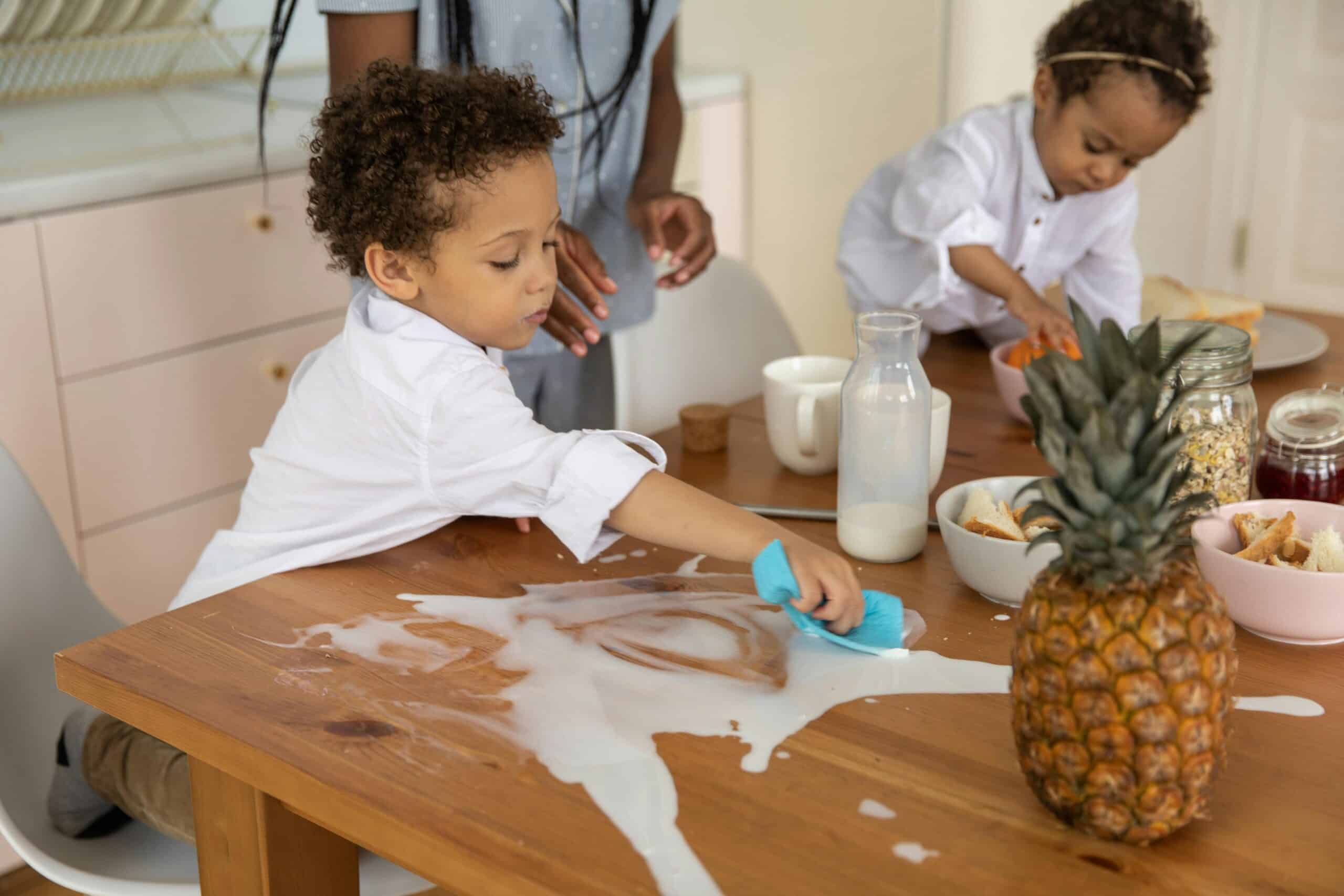
Imagine a highly sensitive child who loves art but melts down when it’s time to clean up. The art table is covered in markers, paper scraps, half-finished projects, stickers, and random supplies. Cleanup feels impossible, not because the child doesn’t want to help, but because there’s no clear system telling their brain what to do.
A supportive approach wouldn’t involve adding more bins or categories. It would involve simplifying what’s visible and clarifying expectations.
Instead of leaving all supplies out, only a small selection is kept on the table. Everything else lives in a closed drawer or bin nearby. There’s one container for markers, one for paper, and one designated spot for “projects in progress.” When art time ends, the environment answers the question for the child: markers go here, paper goes there, unfinished work goes in this one place.
Nothing about this system requires perfection. It works because it removes decision-making, limits visual input, and makes the next step obvious. Cleanup becomes less emotionally loaded because the environment is doing the guiding. This same principle can be applied to backpacks by the door, bedtime routines, or toy storage. Fewer visible items. Clear homes. One place for things to land.
FAQ
Can a disorganized home actually cause meltdowns, or does it just make them more noticeable? A disorganized home usually isn’t the sole cause of a meltdown, but it can significantly lower a highly sensitive child’s threshold for regulation. Visual clutter adds constant sensory input, which keeps the nervous system working even during downtime. When a child is already carrying stress from school, social interaction, or transitions, a chaotic environment can be the final factor that pushes them into overload.
What’s the difference between “too much stuff” and “too much visual clutter” for a highly sensitive child? Highly sensitive children are often more impacted by what they can see than by how much they technically own. A room can contain many items and still feel calm if most of them are out of sight and have clear homes. Visual clutter—items spread across surfaces, overflowing bins, and unfinished projects left out—creates ongoing sensory demand, even if the quantity of belongings hasn’t changed.
Conclusion
For highly sensitive children, the home environment plays a bigger role in regulation than we often realize. Visual clutter and disarray can quietly overwhelm a nervous system that’s already working hard, while visual calm and order offer predictability and relief. Creating a more organized space doesn’t mean striving for perfection or control—it means shaping a home that supports your child’s sensitivity instead of challenging it. Even modest changes can lower stress and make emotional regulation more accessible. This is simply one more gentle layer of support you can offer, helping both you and your child feel a little more grounded at home.
fREE DOWNLOAD
Magic Scripts for Raising a Highly Sensitive Child
Transform challenging moments before they escalate with the Magic Scripts guide - your handbook for preventing meltdowns through the power of clear, calm communication.